 Chemicals
DPP for Cosmetics: CPNP, PIF and ESPR
In data terms, cosmetics is one of the sectors most ready for the passport: PIF, CPNP and INCI already exist. What is missing is one code that takes that data to consumer and inspector.
Blog
Chemicals, REACH and SCIP
REACH SVHC notifications, the SCIP database, safety data sheets and moving hazardous-substance declarations into the passport.
All topicsESPR44Digital Product Passport41Export39Standards33Circularity28Textile28Verification25Integration24Supply Chain20Security19Battery18Retail & E-commerce15SME15Chemicals14Life Cycle Assessment12Recycling & EPR12Data Carriers11Electronics10GS1 Digital Link10Türkiye10Carbon Footprint9Cost & ROI9Market Surveillance9Automotive8CBAM8EU DPP Registry8GDPR8Repairability8Iron & Steel7CSRD / ESRS4Furniture4Packaging4Construction Products3Green Claims3Aluminium2Tyre2Toys1
Articles in this topic 14 articles
Chemicals
DPP for Cosmetics: CPNP, PIF and ESPR
In data terms, cosmetics is one of the sectors most ready for the passport: PIF, CPNP and INCI already exist. What is missing is one code that takes that data to consumer and inspector.
 Chemicals
The PFAS Restriction and Declarations in the Passport
Writing "PFAS-free" is easy; proving it is hard. The universal restriction is not yet decided, but the declaration field in the passport should be designed today.
 Chemicals
DPP for Plastic Raw Materials and Polymers
A polymer is an intermediate; it produces data not for its own passport but for its customer's. Set the batch record up right and that data is produced once and used everywhere.
 Chemicals
DPP for Lubricants: Base Oil and Waste Oil Loops
A lubricant is not a product that vanishes in use; it is a material that comes back as waste oil. The passport closes that loop with data.
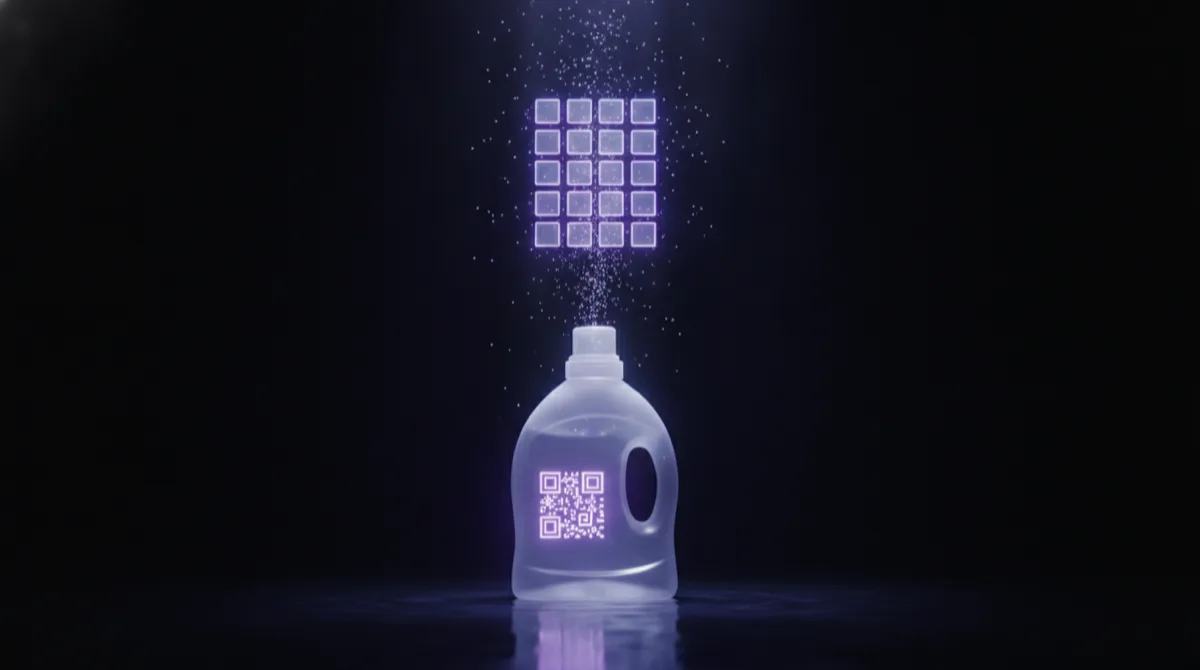 Chemicals
The Detergents Regulation: Digital Label and the DPP
Detergent packaging is one of the first testing grounds for the digital label. Dosage stays on the box, the ingredient list moves to the QR; the passport expects the same code.
 Chemicals
DPP for Paints and Coatings: VOC and SVHC
The paint tin's label is already crowded: VOC value, hazard pictogram, application data. Does the passport lighten that load or add to it?
 Chemicals
The CLP Revision: Digital Labelling and the DPP
The chemical label is going partly digital for the first time. One QR can serve both CLP and the passport; or two codes can compete on the same pack.
 Chemicals
Are Chemical Products in Scope of ESPR?
Chemicals are not outside ESPR; they are just not at the front of the queue. That difference shapes the preparation strategy.
 Textile
DPP for Leather and Leather Goods
Passport data for leather runs from the animal's origin to the tanning chemistry. EUDR and REACH are already here; ESPR scope is still open.
 Textile
Chemical Management in Textiles: ZDHC, MRSL and the DPP
The MRSL restricts inputs, the RSL restricts the finished product. The passport carries both as evidence: substances above threshold, dated certificates, the dye house per style.
 Electronics
Where WEEE, RoHS and REACH Meet the DPP
Electronics already answers to three regimes that want substance and waste data. The passport brings them into one record.
 Chemicals
DPP for Chemicals: REACH, SVHC and SCIP
Hazardous substance declaration already exists. The passport makes the same data machine-readable and tiered.
 Toys
The Toy Safety Regulation and the DPP
In toys the passport arrives as a digital extension of the safety regime — in one of the most heavily policed product categories in the EU.
 Furniture
The Digital Product Passport for Mattresses
A mattress is among the hardest consumer products to separate. The DPP will make that difficulty visible.