ESPR
What Is ESPR and Who Does It Cover?
What is ESPR (Ecodesign for Sustainable Products Regulation), which products and economic actors does it cover? A summary for exporters.
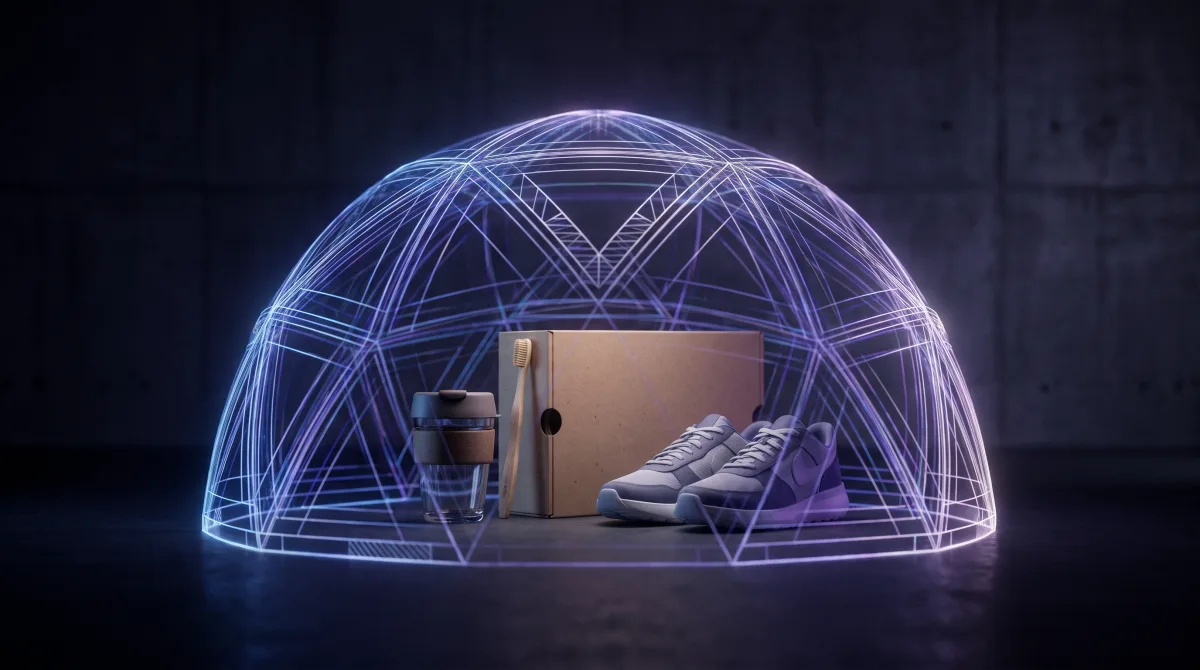
ESPR (Ecodesign for Sustainable Products Regulation) is the European Union's Regulation 2024/1781, designed to make products placed on the EU market more durable, repairable, recyclable and energy-efficient. It replaces the earlier Ecodesign Directive and extends its scope far beyond energy-related products.
What does ESPR regulate?
The regulation grants power to set "ecodesign requirements" for product groups. These requirements can cover:
- Durability, reliability and upgradability.
- Ease of repair and reuse.
- Recycled content and recyclability.
- Carbon and environmental footprint.
- And, most importantly, a mandatory Digital Product Passport.
Concrete rules arrive through "delegated acts" issued separately for each product group. In other words, ESPR sets up the framework; the details are shaped per product group. You can follow which products need a DPP from there.
Who does it cover?
ESPR concerns not only manufacturers but every economic operator in the supply chain:
- Manufacturers are responsible for designing the product and creating the passport.
- Importers and authorised representatives are responsible for the compliance of goods placed on the EU market.
- Distributors must not make non-compliant products available.
For a manufacturer exporting into the EU, the critical point is this: your EU importer will demand compliance, because legal responsibility is shared along the chain. Starting early is therefore a competitive advantage. Our EU exporter compliance checklist offers a practical starting point.
Why it matters
ESPR ties "green claims" to measurable, verifiable data. The cost of failing to comply — including loss of market access — keeps rising; we cover this in the cost of non-compliance. For the next step, look at the DPP timeline.
Frequently asked questions
When did ESPR enter into force?
18 July 2024 — but that does not create product-level duties on its own. See what a delegated act is.
Are SMEs exempt?
There is no blanket exemption. Micro and small firms are exempt from certain provisions, but suppliers still get the request by contract. See the SME guide.
Which product groups are prioritised?
Iron and steel, aluminium, textiles, tyres, furniture and mattresses. See the ESPR working plan and the ESPR guide.