Electronics
DPP for Electronic Products
The Digital Product Passport for electronics and IT equipment: repairability, critical raw materials, hazardous substances and software-update information.
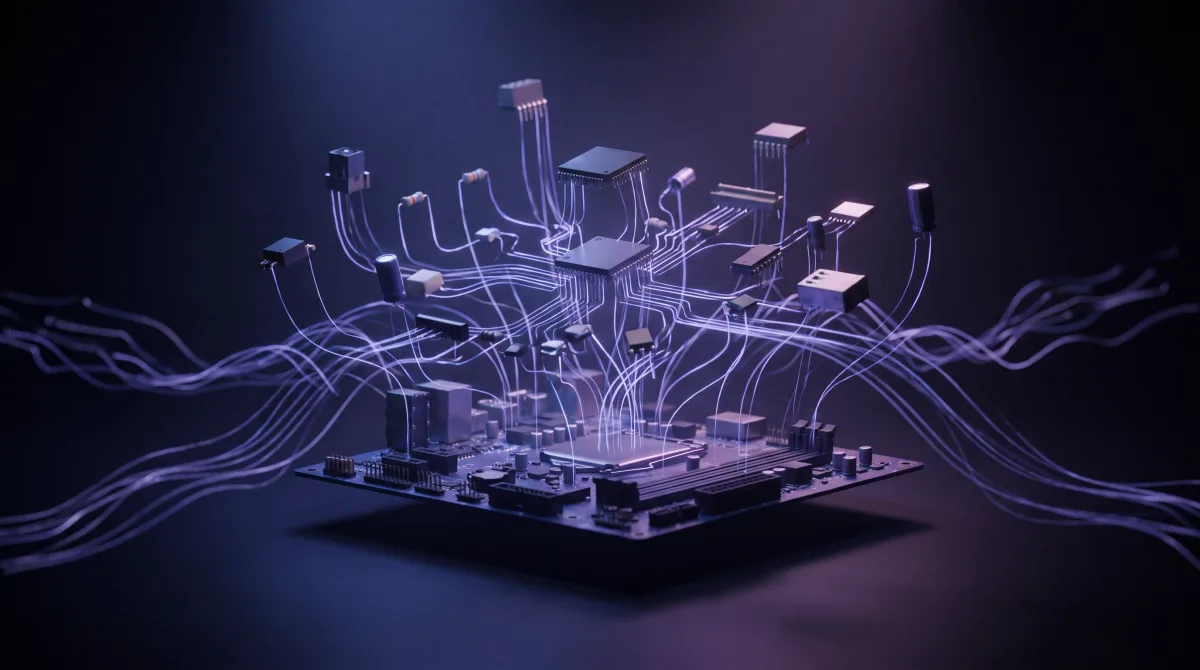
Electronics and IT equipment are both high-value and complex products: dozens of components, critical raw materials and short refresh cycles. The Digital Product Passport aims to make this complexity transparent and to ease repair.
Prominent data in electronics
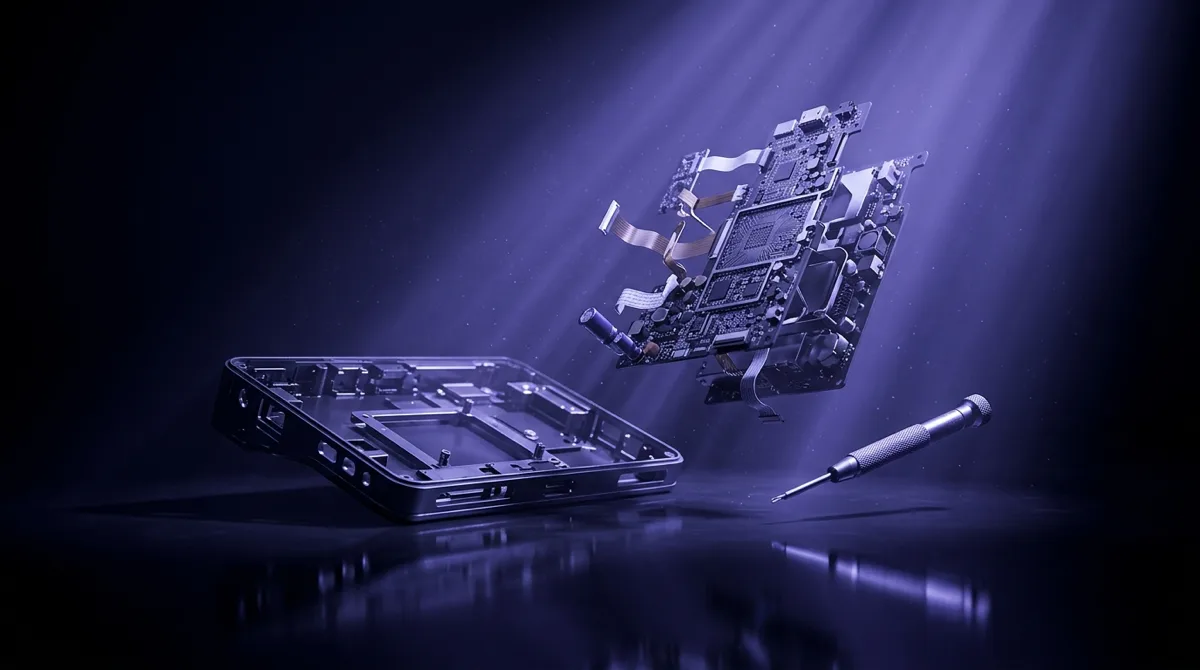
- Repairability score: spare-part availability, repair manual, ease of disassembly.
- Critical raw materials: strategic materials such as rare earths, gold and tantalum.
- Hazardous substances: RoHS compliance, declaration of substances like lead/mercury.
- Energy efficiency: consumption class and standby values.
- Software support: how long security updates will be provided.
That last point matters more and more: a device's life often ends not with the hardware but with the end of software support.
Connection to the right to repair
The EU's "right to repair" agenda and the DPP reinforce each other. The passport makes it easier for a repairer or consumer to reach parts and manuals. This is one of the most tangible practical benefits of circularity data.
Carrier and identity
On small electronic components space is limited, so Data Matrix is often preferred. For unique identity at product and component level, GS1 Digital Link and EN 18221 structures are used.
For exporters
Electronics exporters already master regulations such as RoHS, WEEE and CE. The DPP unifies these data in a single, machine-readable record. To structure your scattered compliance documents, start with our data-collection checklist; for the overall schedule, see the timeline.
Frequently asked questions
Must I declare every component?
No; threshold-based declaration with a focus on critical substances is the norm. See preparing a bill of materials.
Is my RoHS declaration enough?
It covers much of the substance side, but composition, circularity and repair fields are still needed. See WEEE, RoHS and REACH.
Is software support in scope?
Yes; update duration is part of repairability assessment. See the Right to Repair Directive.